Interest rates were a steady 5% back in the 1400s, proving that money has always acted the same, even when the church tried to ban it.
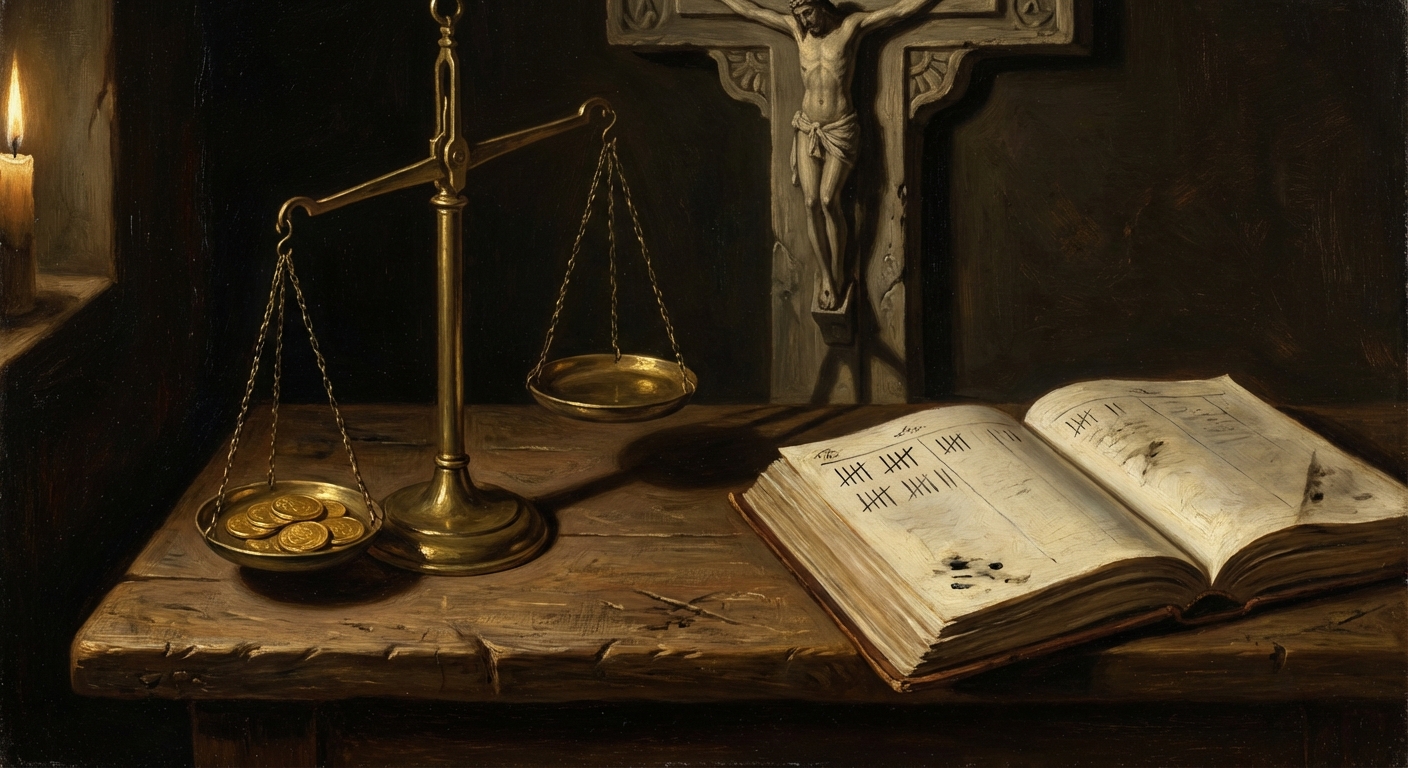
Despite medieval laws and religious doctrines against charging interest, real-world registers from 1420s Stockholm show a consistent 5% rate that beat inflation. This challenges the idea that the logic of capital concentration is a modern invention, showing it operated effectively even in a pre-capitalist society.
Capital in the Fifteenth Century: A Study of Interest Rates in Stockholm during the Late Middle Ages
SocArXiv · 2sbvc_v1
Interest rates are central to understanding economic development and conditions, not just in the present, but throughout history. Yet surprisingly little research has focused on medieval interest rates. This essay demonstrates, through an analysis of Stockholm’s jordeböcker (land registers) and tänkeböcker (court records) from 1420 to 1520, that it is entirely possible to calculate interest rates from these sources, and argues that further research into historical interest rates is essential for