Immune cells that help a child's brain heal after a stroke actually stop an adult's brain from recovering.
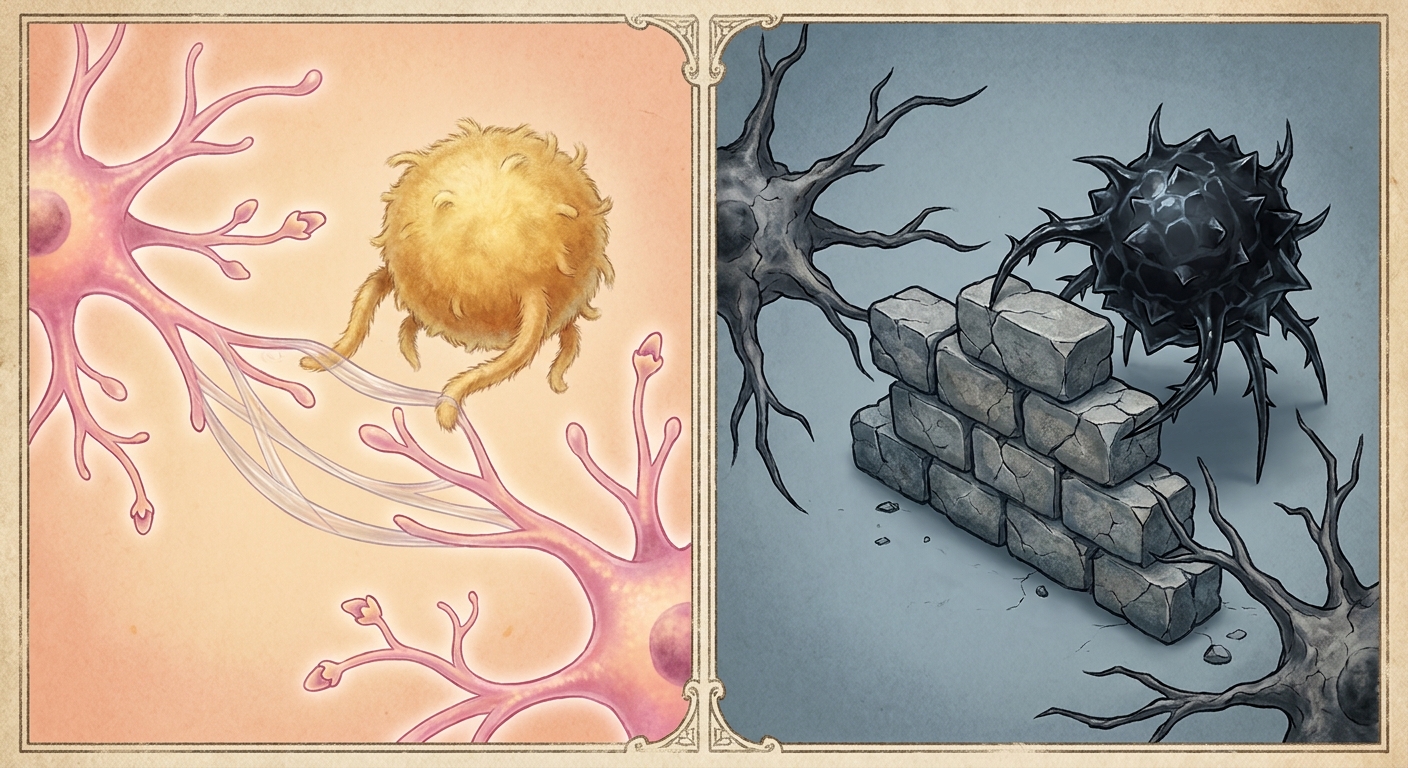
Microglia are the brain's resident immune defenders and are essential for growing new neurons in juvenile mice. As the brain ages, these same cells switch their behavior and become a barrier to regeneration. In adult mice, removing these cells entirely actually allows the brain to repair itself and restores motor function. This means that a treatment designed to help a young stroke patient could be actively harmful to an elderly one. Understanding this age-based flip is vital for developing effective therapies for adult stroke victims.
Opposing Age-Related Differences in Microglia/Macrophage Responses in Neuronal Regeneration and Motor Recovery Following Cerebral Ischemia
SSRN · 6631399
Stroke remains a major cause of death and long-term disability worldwide. While both pediatric and adult populations experience significant neurological impairments following stroke, it is well-documented that the capacity for repair is greater in juveniles than adults. While pediatric brain exhibits greater plasticity after stroke, the underlying mechanisms remain poorly understood. Using an experimental model of stroke (MCAO, middle cerebral artery occlusion) in juvenile (PN 21-25) and adult (