People tend to protect the person who made a crime possible if someone else was the one who actually did it.
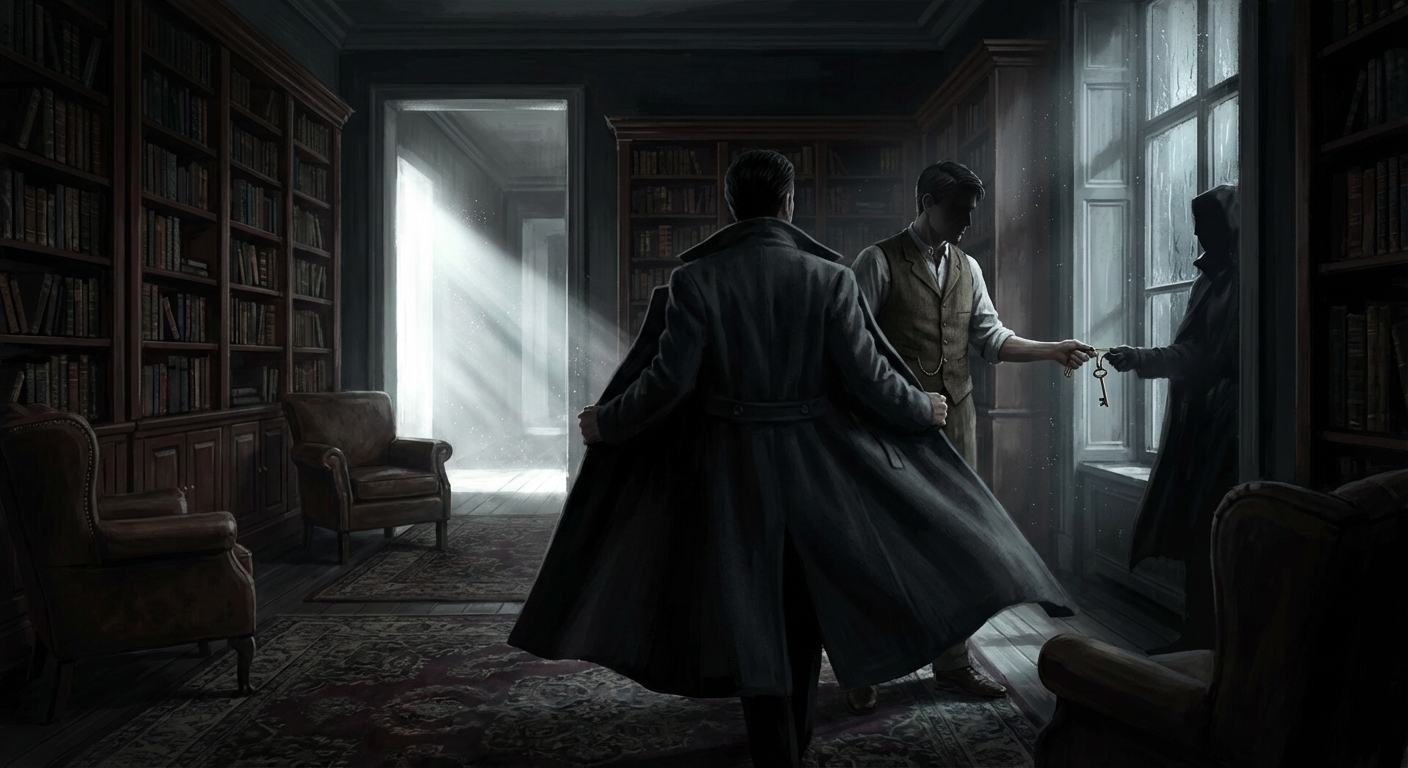
When multiple people are involved in a harmful event, we focus our blame almost entirely on the 'last' person who acted. This 'shielding' effect means the person who actually made the harm possible—like someone who leaks a victim's private address—gets a moral free pass in our minds the moment a second person steps in to do the harassing.
Responsibility Shielding: When Causally Proximate Agents Deflect Blame for Distal Enablers
PsyArXiv · yzb75_v1
When a doxer leaks someone's address and a harasser shows up at their door, who is really to blame? I propose that third-party moral judgment systematically underweights upstream enablers through a process I call responsibility shielding: observers assign less blame to a distal actor whose choice made harm possible when a morally responsible agent stands between that choice and the harm, compared to an otherwise identical situation in which the intermediate link is not a suitable target of moral